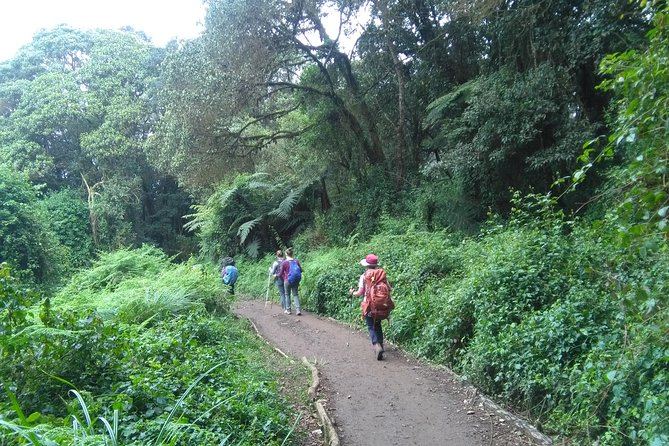
Lemosho begins on the remote western side of Kilimanjaro and takes a gentler, less crowded line to the summit. It crosses the broad Shira Plateau, joins the Machame path further up and finishes with the same summit push. If acclimatisation and a sense of space matter to you more than speed, this route deserves a close look before you choose your climb. We also outline what a normal day on the trail looks like.
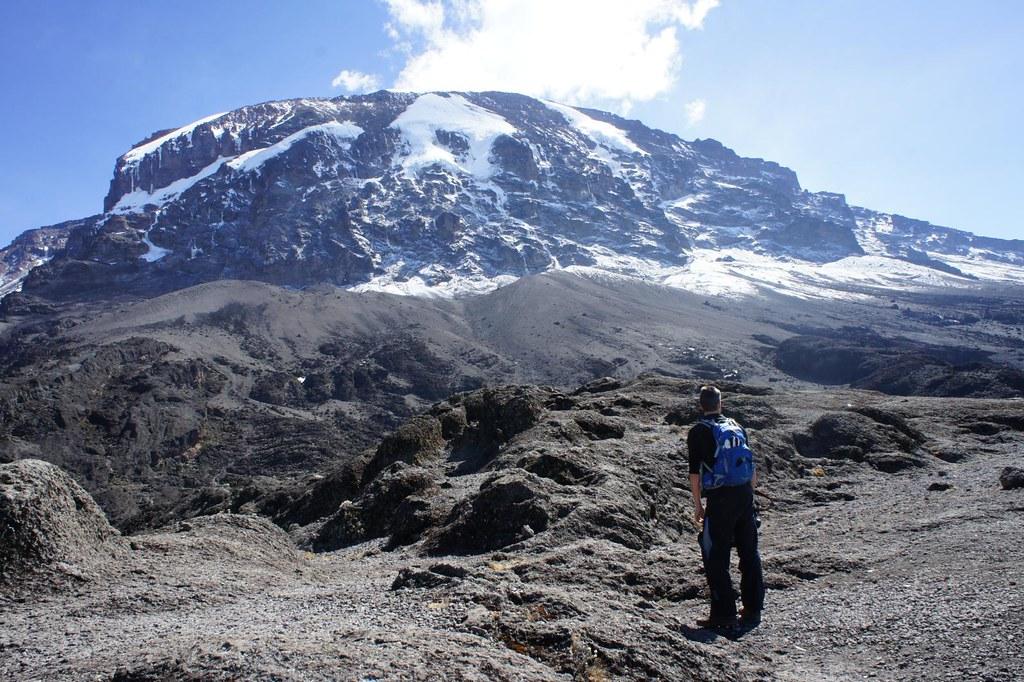
A quieter start in the west
The trail begins at a gate reached by a longer drive from the usual base towns, then enters rainforest where wildlife sightings, including monkeys and birds, are more likely than on busier paths.
Early days are modest in daily gain, which lets your legs and lungs settle before the steeper sections.
Lemosho is also a route where the crew can feel a little more personal. With fewer groups on the trail, camps are calmer in the evening, and the sky at night can be astonishing once the clouds clear.
The Shira Plateau and beyond
Shira is the remnant of an ancient volcanic cone, and the plateau feels wide and open. On clear days you can see the main peak, Kibo, floating above cloud. Later the route joins the paths beneath the Barranco Wall and heads to the final camp.
- Camping every night with a full crew
- Gradual altitude gain in the first days
- Joins Machame terrain in the middle section
- Summit night begins well after dark
Why many guides favour longer Lemosho itineraries
More days almost always mean more time to adapt, and Lemosho is typically sold in a longer format than the quickest routes. That extra time is the reason many guides recommend it for people worried about altitude.
We cannot promise anyone a summit, and no honest operator can. We can build an itinerary with the best chance that your body has time to cope.
Who should choose it
Choose Lemosho if you want fewer crowds, are happy with camping and can commit to a longer trek. It may be less suitable if your holiday days are tight.
Pair it with a safari afterwards for a recovery period. We tailor the trip to your dates and budget; ask us for a current quote.
A day on the trail
Mornings usually begin with tea or coffee brought to your tent, followed by washing water and breakfast. You walk with a guide at an easy pace, stop for a packed or cooked lunch, and reach camp by mid afternoon.
Evenings are for hot food, a health check from your guide and an early night. The rhythm is simple and repetitive, which is part of why people sleep surprisingly well on the mountain.
Related pages on our site
Frequently asked questions
How long is the Lemosho route?
Lemosho is normally offered as a longer trek than the shortest routes, often at the upper end of what visitors book. We will suggest a length that suits your fitness, schedule and altitude concerns.
Is Lemosho better than Machame?
Neither is better for everyone. Lemosho is quieter with a gentler start, while Machame is shorter, busier and very scenic. Many climbers pick Lemosho for extra acclimatisation time. It rewards patience more than speed.
Is there much wildlife on the route?
The rainforest sections can offer monkeys and birdlife, but sightings are never guaranteed. Do not expect safari-style viewing; the mountain is about the landscape. Keep your expectations modest and your binoculars handy.
Do I need to train for it?
Yes. Walking on consecutive days with a daypack, ideally on hills and in your trekking boots, is the best preparation. Our preparation pages cover physical training in more detail. Start early and build up your longest walks gradually.