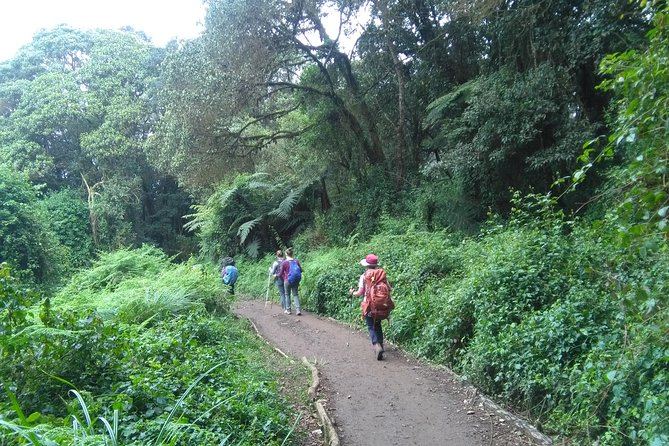
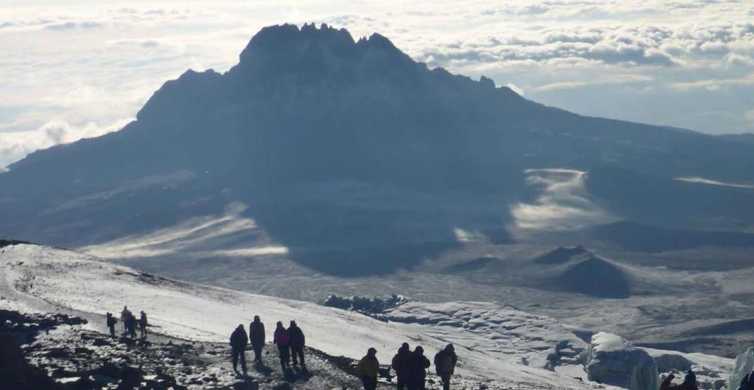
Marangu is the only Kilimanjaro route that uses sleeping huts throughout, which is why it attracts travellers who would prefer a bunk to a tent. It ascends and descends along the same path on the south-east side. That simplicity is its strength, though it also has trade-offs worth understanding before you decide, and this page covers both sides. We also cover comfort and practicalities. Read on to see whether huts suit you.
Huts instead of tents
Each night is spent in a shared mountain hut, typically with bunk beds and a communal dining room. Bring your own sleeping bag for warmth and hygiene, as huts are basic and not heated.
Hut space is allocated, so groups may share a room with other climbers. If you want privacy, mention it early so we can discuss options.
Marangu is also called the Coca-Cola route, a nickname from its early popularity. Today the label is a little unfair, since the route is still a serious high-altitude trek that deserves proper preparation and respect.
Terrain and pace
The path is well worn and steady, with fewer scrambles than other routes. Many walkers find the gradient friendly, but the itinerary tends to be compressed, which means less time to adapt to altitude.
That compression is the main thing to weigh up. Adding an extra day, where available, helps your body adjust.
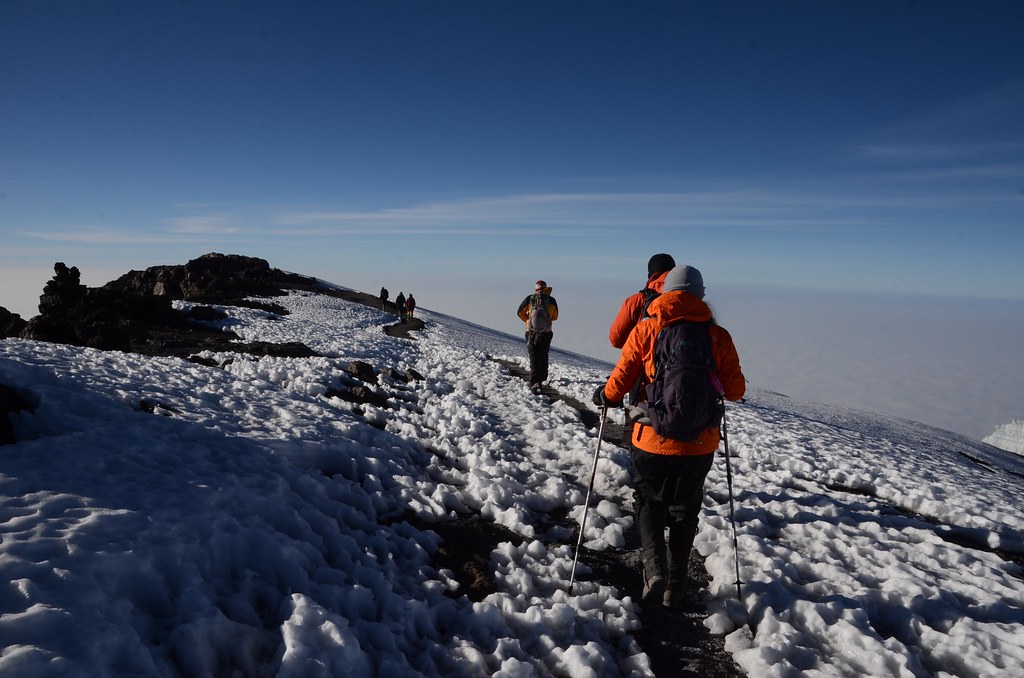
- Rainforest start, then moorland, alpine desert and summit zone
- Ascent and descent use the same trail
- Meals taken in dining huts
- Extra acclimatisation day recommended for most people
Who it works well for
Marangu suits people who dislike camping, enjoy an established path and have a clear idea of how they respond to altitude. Some travellers also like it because it is straightforward to understand and plan around.
It is less suited to anyone who needs lots of time to acclimatise or wants a quiet trail with few other climbers.
Combining it with a safari
Because many Marangu itineraries are shorter, they fit neatly alongside a safari. We offer a combined trek and safari that we tailor to your dates and budget. Ask us for a current quote.
Comfort and practicalities
Huts mean you carry less personal gear and do not set up a tent in the rain, which many climbers appreciate. They are shared, simple and can be noisy, so earplugs are worth packing.
Toilets, water and food arrangements differ from camping routes, and your guide will explain each camp on arrival. Carry a headtorch, a warm sleeping bag and a small stash of snacks you enjoy.
Related pages on our site
Frequently asked questions
Is Marangu the easiest route?
It is often called the easiest because the path is gentle and there is hut accommodation. The compressed schedule can make it harder to acclimatise, so do not choose it solely on that reputation. Choose based on your own needs.
Do I need a sleeping bag?
Yes, bring a warm bag suitable for cold nights. Huts provide bunks, but the temperature drops considerably at height. Check our packing guidance for specifics. Layers matter too, as huts are not heated.
Are there showers at the huts?
Do not expect hot showers or reliable facilities. Huts are basic, and you should plan for washing with wipes or a small basin. Facilities can change, so confirm before departure. Pack a small towel and wet wipes in case.
Can I camp on Marangu instead?
The route is set up around huts, so camping is not the normal approach. If you want a tent-based experience, Machame, Lemosho or Rongai are better matches. Ask us if you are unsure which style suits you.