You do not need mountaineering experience to climb Kilimanjaro, but you do need patience, preparation and a realistic plan. Most people who walk it for the first time have never used crampons or ropes. What matters is steady walking, good gear and enough days for your body to adapt. This page speaks to the questions first-timers ask us most often. It also sets out realistic expectations. Read on for honest, practical answers.
What beginners really need
Kilimanjaro is a long walk uphill, not a technical climb. The challenge is altitude and sustained effort over several days, plus a very early start on summit night.
Being comfortable walking for hours with a light daypack matters more than being a gym athlete.
Beginners often worry about being the slowest person. On Kilimanjaro, that is not a weakness but a strategy. The slower you go, the better you tend to adapt, and a guide who sets a gentle pace is doing exactly what is needed.
Choosing a beginner-friendly plan
Pick more days, not fewer. A longer itinerary on a route such as Lemosho gives your body time to adapt, and Rongai offers a steadier gradient. Marangu has huts, which some first-timers prefer.
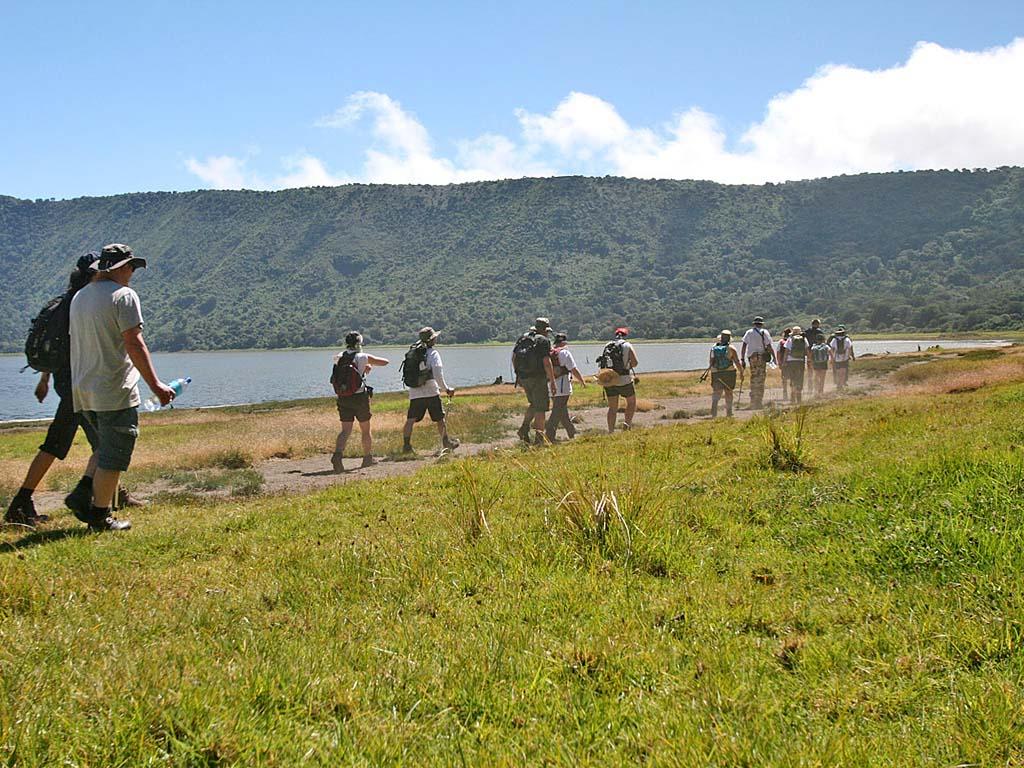
Your guides set a slow pace, often called pole pole, which means slowly in Swahili. Follow it even when you feel strong.
- Choose a longer itinerary for gentler acclimatisation
- Break in your boots well before the trip
- Practise walking several days in a row
- Tell your guide immediately if you feel unwell
Preparing before you fly
Start training at least a couple of months ahead with hill walking, stair climbing and back-to-back hikes. See your doctor for a check-up and ask about altitude medication, which is a medical decision, not ours.
Travel insurance that covers trekking to altitude is essential; read the policy wording carefully.
Mental readiness
Many beginners find the last night harder in the mind than in the legs. Cold, darkness and thin air can drain confidence, so having a plan for small goals helps. Our team will talk you through summit night before you reach it.
We tailor the trip to your dates and budget; ask us for a current quote.
What a typical day feels like
Days start early with hot drinks and breakfast, then a slow walk of several hours. Lunch is cooked or packed, and you reach camp or hut in the afternoon. Your guide checks how you feel each evening.
The hardest part is rarely the walking itself. It is staying warm, hydrated and calm when you are tired. Beginners who treat each day as its own small goal tend to enjoy the experience most.
Related pages on our site
Frequently asked questions
How fit do I need to be for Kilimanjaro?
You should be able to walk for several hours on consecutive days and enjoy hills. Specific fitness is less important than steady stamina and sensible pacing. Speak to your doctor if you have health concerns. Train in the boots you will wear.
What age can people climb Kilimanjaro?
Park rules set minimum age limits that can change, so check current official requirements. Many adults of varied ages climb it, and fitness and health matter more than the number. Always double check requirements before travel.
Will I get altitude sickness?
Altitude affects people unpredictably regardless of fitness. Slow pacing, hydration and longer itineraries reduce the risk but cannot remove it. Guides monitor you throughout and can arrange descent if needed.
Is it safe for a solo traveller?
Many people join as solo travellers. You will be accompanied by a guide team throughout, and we can discuss private or group options that suit you. Ask us about tailored support.