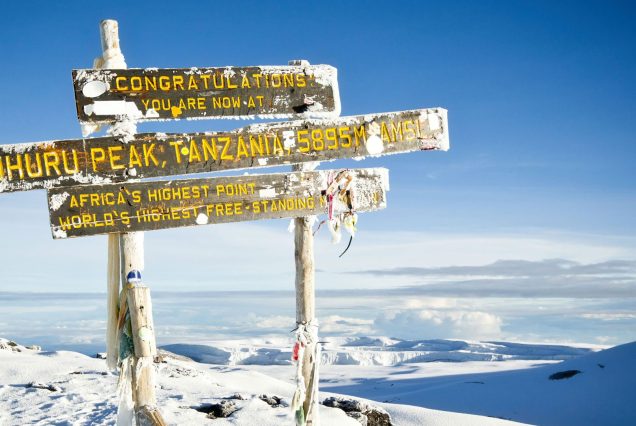
Mental strategies our guides use to help climbers stay positive, manage doubt and keep moving through the hardest hours of a Kilimanjaro climb.
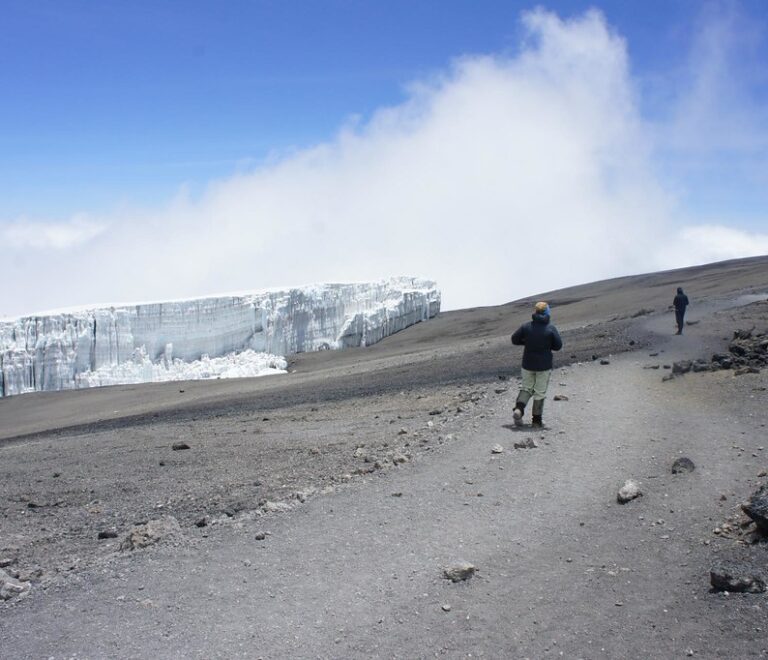
Ask our guides what separates climbers who reach the summit from those who turn back, and fitness is rarely the first thing they mention. Altitude, cold, broken sleep and long hours in the dark wear people down mentally long before their legs give out.
The good news is that mental resilience can be trained and planned for, just like physical endurance. These strategies come from our guides walking alongside climbers through their hardest moments.
Quick tips
- Train on long, slow hikes to build both stamina and patience.
- Prepare a personal mantra or playlist for summit night.
- Focus on the next landmark rather than the summit.
- Talk openly with your guide about how you feel each day.
- Remember that turning back safely is always a valid choice.
Set the right expectations
Many people imagine Kilimanjaro as a long hike. In reality, it is several days of steady walking followed by one night that tests almost everyone. Knowing in advance that you will likely feel tired, cold and perhaps nauseous helps you treat those feelings as normal rather than as signs of failure.
Read about your route, look at the profile and understand roughly what each day involves. Surprises are harder to handle at altitude.
It also helps to define success broadly. Reaching Uhuru Peak is the goal, but walking through five climate zones, sharing meals with your crew and seeing the glaciers up close are achievements in their own right.
Embrace pole pole
You will hear guides say pole pole, Swahili for "slowly, slowly," many times a day. It is not only about acclimatization. A deliberately slow pace frees you from competing with anyone, keeps your breathing calm and makes the climb feel more manageable.
Try matching your steps to your breath, such as one step for each breath on steep ground. The rhythm becomes almost meditative.
Camp routines help too. Organize your tent the same way every evening so you always know where your headlamp, gloves and water are. Small certainties reduce stress when you are tired.
Break the climb into small goals
Thinking about the summit from the bottom of a scree slope can feel overwhelming. Instead, focus on reaching the next rest stop, the next rock or the next hour. Each small success builds momentum.
Some climbers count steps in sets of fifty or a hundred, others recite song lyrics or a favorite poem. Find a mental routine that works for you and practice it on long training walks.
- Pick a landmark ahead and walk only to it.
- Celebrate each break with a sip of water and a snack.
- Keep a short mantra ready for the hardest moments.
Managing summit night
Summit night begins near midnight in cold, darkness and thin air. It is normal for negative thoughts to appear around three or four in the morning, the coldest and lowest point of the night. Remind yourself that sunrise is coming; the first light on the horizon brings a remarkable surge of energy.
Stay present, follow the feet of the person ahead and trust your guide's pace.
Climbing with a partner or group? Agree in advance how you will support one another, and remember that everyone acclimatizes differently.
Know when to listen to your body
Mental toughness never means ignoring warning signs. Severe headache, confusion, loss of coordination or breathlessness at rest can signal serious altitude illness. Be honest with your guide about symptoms; turning back when needed is a wise decision, not a failure. Our guides check climbers regularly and will always put safety first.
Frequently asked questions
Is Kilimanjaro more mental than physical?
Both matter, but many climbers find the mental challenge greater than expected. Altitude affects mood and motivation, so a positive, patient mindset makes a real difference.
How do I stay motivated on summit night?
Break the climb into small steps, keep eating and drinking, and focus on the coming sunrise. Encouragement from guides and fellow climbers also helps enormously.
What if I feel like giving up?
Tell your guide how you feel. Often a short rest, a snack and some reassurance are enough to keep going, but if symptoms suggest altitude illness, descending is the right call.