
A month-by-month look at Kilimanjaro's climbing seasons, covering weather, crowds and trail conditions so you can pick the right window for your climb.
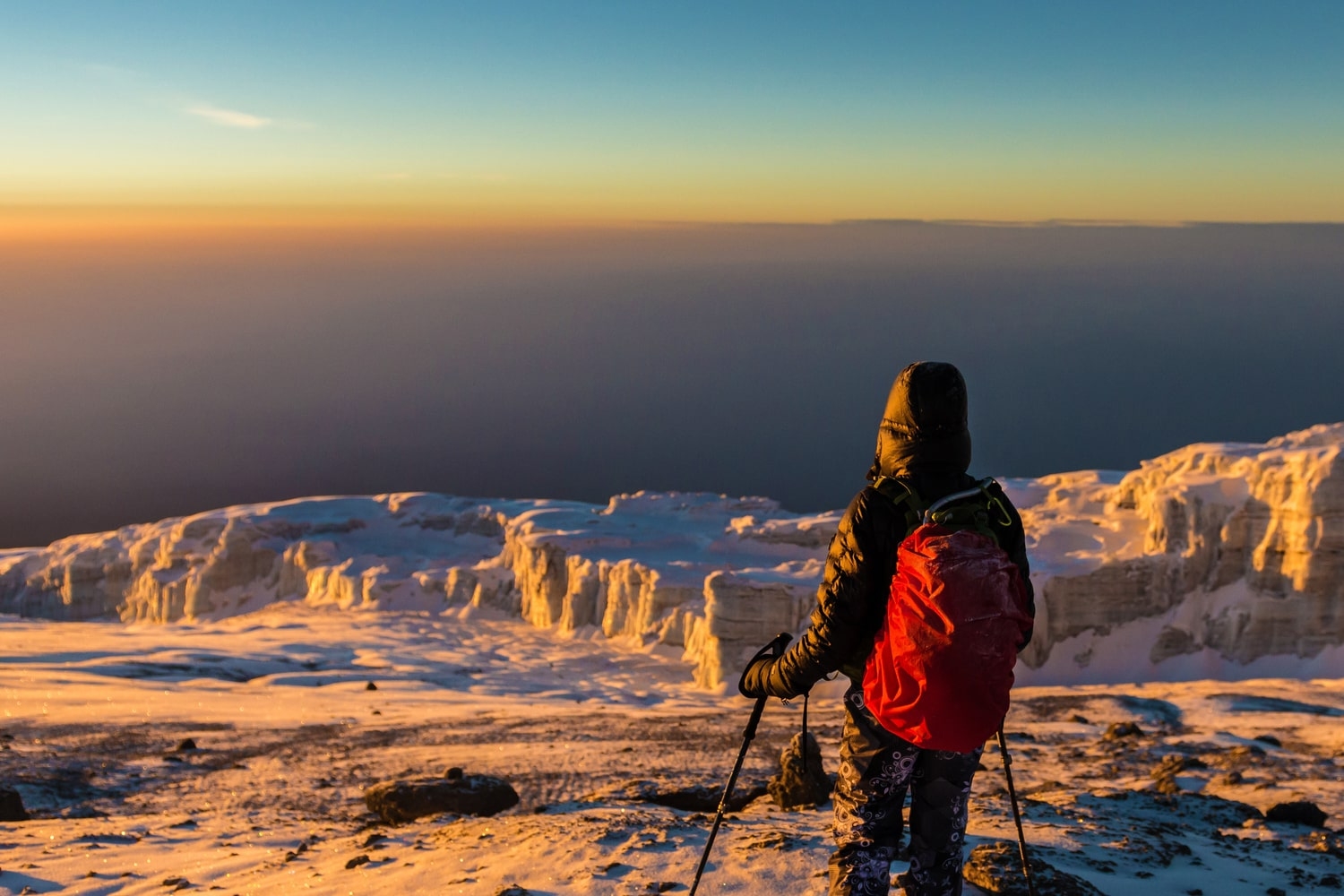
Kilimanjaro can be climbed in any month, but conditions vary a great deal. The two broad dry seasons offer the most reliable weather, while the rainy months bring quieter trails, muddier forests and more cloud.
Close to the equator, the mountain does not have summer and winter in the usual sense. Instead, rainfall shapes the year. Here is how our guides think about each part of the calendar.
Quick tips
- Book holiday-season and full-moon dates several months ahead.
- Choose Rongai or Marangu if you must climb during the long rains.
- Pack for sub-zero summit conditions whatever month you choose.
- Expect colder nights from June to August than in January or February.
- Ask us about pairing your climb with the right safari season.
January to early March: the warmer dry window
This is one of the best periods to climb. Days are generally clear and the lower slopes feel relatively warm. Summit night is still bitterly cold, but there is often less wind than mid-year. Snow can dust the summit after occasional showers, which makes for beautiful photos.
The Christmas and New Year holidays are very busy, so book well ahead if you want to climb then. By late February and early March the weather can become less settled as the long rains approach.
Late March to May: the long rains
Roughly March to May brings the long rains, with April and May usually the wettest months. Forest trails become muddy, cloud often hides the views and higher up rain can fall as snow.
Climbing is still possible, and the mountain is at its quietest. If you go now, Rongai on the drier northern side or Marangu with its huts are sensible choices.
- Pack quality waterproofs and spare dry layers.
- Line your duffel and daypack with dry bags.
- Expect fewer climbers and more flexible availability.
June to October: the main dry season
This is the most popular season and coincides with peak safari travel. Skies are generally clear and the trails dry. Nights are colder than early in the year, especially in June and July, and summit temperatures can drop well below freezing with strong wind chill.
Popular routes like Machame can be busy from July through September. Choosing Lemosho or Rongai, or starting stages at slightly different times, helps you avoid the crowds.
June to October is also a very popular time for safaris, so if you are combining a climb with a game drive itinerary, reserve lodges and camps early. Our team can sequence your trip so you rest after the climb before heading into the parks.
November and December: the short rains
The short rains usually arrive in November and run into December. They tend to come as afternoon showers rather than prolonged downpours, so many mornings are clear. It is a reasonable time to climb if you are prepared for wet afternoons in camp.
Rainfall patterns shift from year to year, so treat these windows as guides rather than guarantees.
Lower crowds and greener landscapes make this a rewarding window for climbers with flexible plans. Pack a lightweight umbrella for camp, along with good waterproofs for the trail.
Full moon and combined trips
Many climbers time summit night with the full moon, when the scree and glaciers glow and headlamps are almost unnecessary. Those dates fill quickly.
If you plan to combine your climb with a safari, think about the wildlife calendar too. The Great Migration calving season in the southern Serengeti runs around January to March, and Mara River crossings typically happen around July to October. Ndovu African Expeditions can help you match both.
Frequently asked questions
What is the best month to climb Kilimanjaro?
There is no single best month, but January, February and June to October offer the most reliable weather. Each window has trade-offs in crowds and temperature, so the right choice depends on your priorities.
Can I climb Kilimanjaro in April?
Yes, though April is usually one of the wettest months. You will enjoy quiet trails but should expect mud, cloud and rain, so good waterproof gear is essential.
Is it colder at the summit in July?
Mid-year nights are generally colder and windier than early in the year. Summit night is freezing in any month, so bring proper insulated layers regardless of timing.
