
Why the long western Lemosho route is a favorite with our guides, and how to plan, pace and pack for eight memorable days on Kilimanjaro.
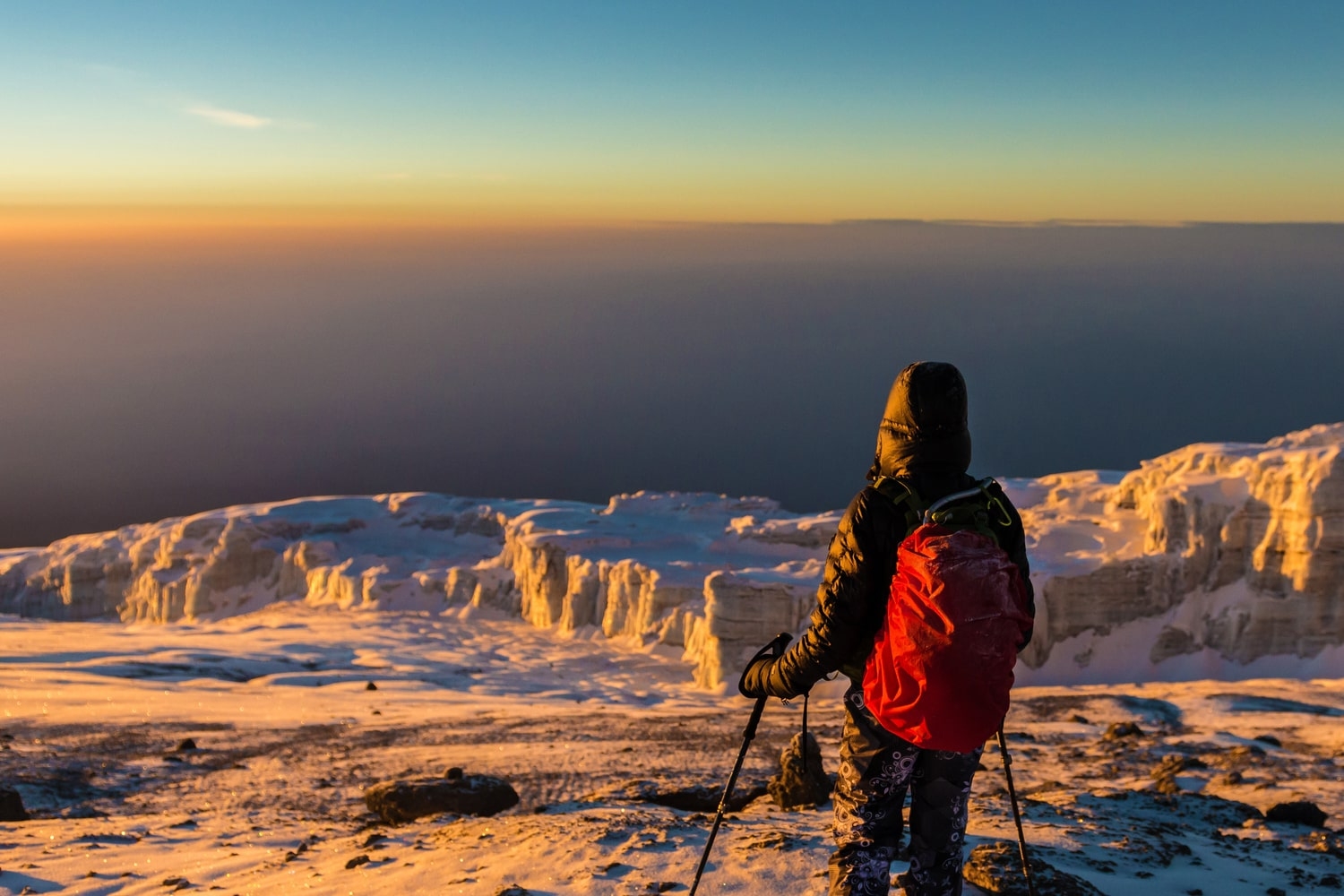
If you ask our guides which route they would choose for a friend climbing Kilimanjaro for the first time, many will say Lemosho. It begins on the remote western side of the mountain, crosses the whole Shira Plateau and offers long, gradual days that give your body time to cope with the altitude.
Lemosho takes more time and usually costs more than the shorter routes, mainly because of the longer drive to the trailhead and extra days on the mountain. For many climbers, the quieter start and stronger summit odds are well worth it.
Quick tips
- Choose the eight-day version for the best acclimatization profile.
- Pack a light lunch-friendly snack bag for the long first morning at the gate.
- Wear sun protection on the Shira Plateau even when it feels cool.
- Keep your camera ready in the forest for colobus monkeys.
- Expect busier camps once you join the Machame trail near Lava Tower.
Getting to the trailhead
The climb begins with registration at Londorossi Gate on the western slopes, followed by a drive along forest tracks to the Lemosho trailhead. Allow most of the morning for this: the drive from Moshi or Arusha is long and the registration process can be slow in busy months.
Bring snacks and a book for the gate. Your guide handles permits while you relax, and starting the walk in the early afternoon is perfectly normal on day one.
Rainforest and wildlife on the first days
The western forest is less trampled than the southern routes, and the first night at Mti Mkubwa ("big tree") camp often feels wonderfully remote. Watch the canopy for black-and-white colobus monkeys and blue monkeys. Larger animals such as buffalo and elephant do live on these slopes, which is one reason park rangers sometimes accompany groups through certain sections.
It can be damp and cool under the trees, so keep a rain jacket at the top of your daypack even if the morning looks clear.
Crossing the Shira Plateau
Days two and three climb onto the Shira Plateau, an ancient collapsed volcanic caldera at roughly 3,500 to 3,900 meters. The landscape opens into heather and moorland with wide views of Kibo ahead.
These are relatively gentle days, so resist the urge to push ahead. Walking slowly here is an investment in summit night. Many Lemosho itineraries include a short acclimatization walk on the plateau in the afternoon.
- Sunscreen and a brimmed hat are essential; the plateau has almost no shade.
- Nights on Shira are often frosty, so keep your down jacket handy at camp.
- Sunsets over Mount Meru to the west are spectacular on clear evenings.
Joining the Machame trail
Around Lava Tower, Lemosho merges with the Machame route, and you will suddenly share trails and camps with more people. From here the itinerary follows the same path: Barranco Camp, the Barranco Wall, Karanga, Barafu and summit night via Stella Point.
The difference is that you arrive at this busier stretch better acclimatized, having already spent several nights above 3,500 meters.
Seven days or eight?
Lemosho is offered in seven- and eight-day versions. We recommend eight days for most climbers. The extra night usually falls before the high camp, which makes summit night more manageable and gives a buffer if you feel unwell along the way.
Because Lemosho involves more nights on the mountain, pack a few comforts that make camp life easier: a small pillow or stuff sack filled with clothes, a book or downloaded podcasts, and spare batteries or a power bank kept warm inside your sleeping bag at night.
Frequently asked questions
Is Lemosho good for beginners?
Yes. No technical climbing is required, and the gradual profile suits people without high-altitude experience. Good general fitness and a willingness to walk slowly are the main requirements.
How is Lemosho different from Shira route?
Both start on the western side, but the Shira route begins higher up on the plateau, skipping much of the forest. Lemosho starts lower, which means a gentler gain in altitude over the first days.
Is Lemosho less crowded than Machame?
The first two to three days are noticeably quieter. Once the route meets the Machame trail, camps become busier, though the overall experience is still calmer than Machame from start to finish.
