
How to get the most out of Kilimanjaro's most popular route, from the rainforest start to the Barranco Wall scramble and the long summit push.
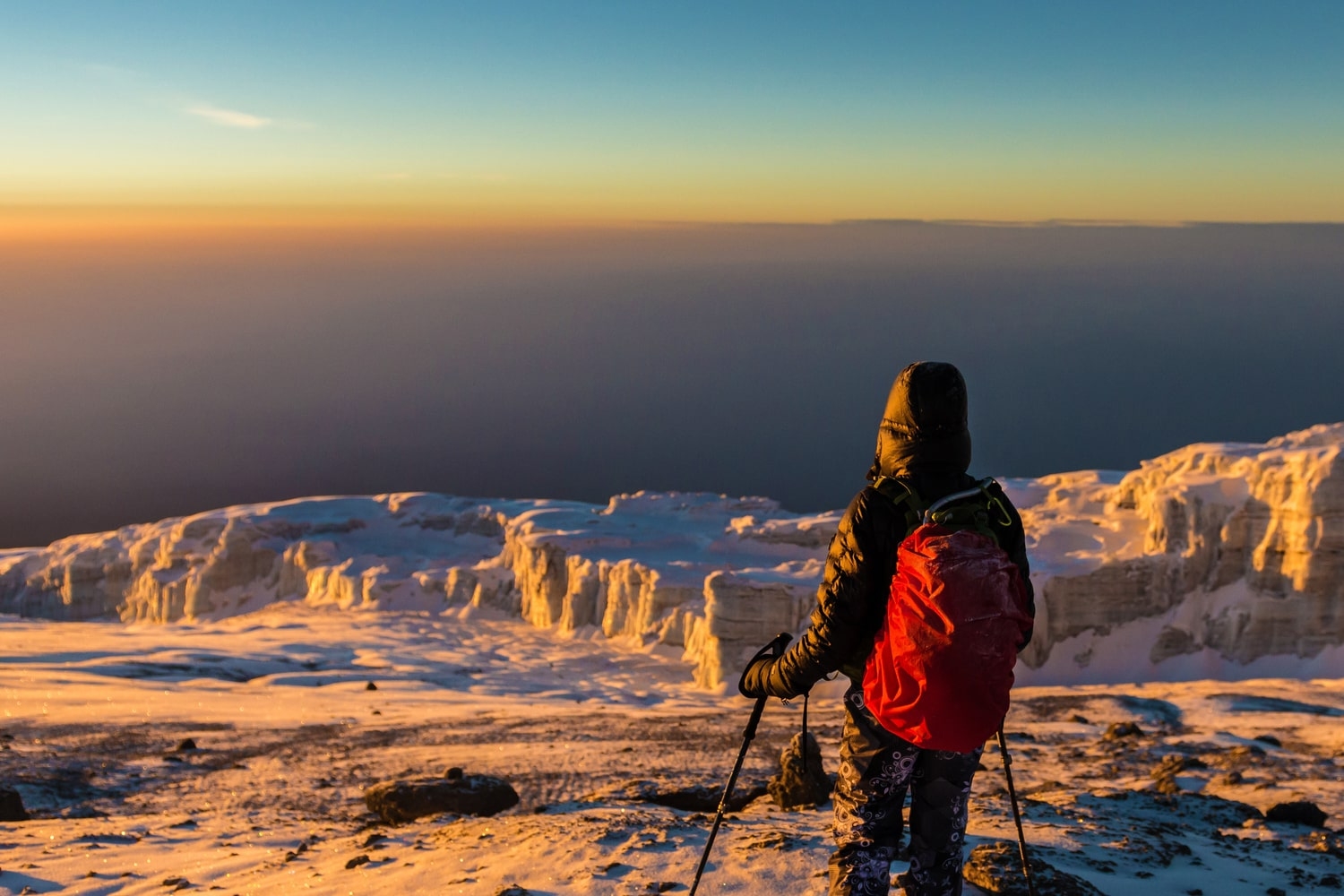
Machame is the route most first-time Kilimanjaro climbers end up on, and for good reason. It climbs through lush rainforest, crosses the Shira Plateau, swings beneath the Southern Icefields and offers some of the finest scenery on the mountain. Locals call it the Whiskey route, a nod to the fact that it is tougher than the old Marangu "Coca-Cola" trail.
Its popularity is also its main drawback: campsites can be busy in peak months. With the right itinerary and a few habits our guides swear by, Machame is a superb way to reach Uhuru Peak.
Quick tips
- Book the seven-day itinerary unless you have recent high-altitude experience.
- Pack gaiters, because the forest section on day one is often wet and muddy.
- Carry a small headlamp with fresh batteries in an inside pocket for summit night.
- Start the Barranco Wall early to stay ahead of the busiest groups.
- Bring trekking poles for the long Mweka descent, which is hard on knees.
Choose the seven-day version if you can
Machame can be done in six days, but the extra day makes a real difference. It usually means an additional night between Barranco and Barafu, at Karanga Camp, which breaks up one of the longer stages and gives your body more time to adjust before summit night.
Across the mountain, longer itineraries consistently produce better summit rates and fewer cases of serious altitude sickness. At Ndovu African Expeditions we recommend the seven-day version to most guests unless they have recent experience at high altitude.
Whichever version you choose, the first two days set the tone. The forest stage from Machame Gate is long but gentle, and the climb to Shira Cave Camp brings you out of the trees onto open moorland. Keep the pace deliberately easy here, even if you feel strong.
Use the Lava Tower day to your advantage
Day three typically climbs to Lava Tower at roughly 4,600 meters, then descends to Barranco Camp at around 3,950 meters. This is the classic climb-high, sleep-low pattern, and it is one of the reasons Machame acclimatizes well.
Expect a headache or heavy legs near the tower; that is common. Walk slowly, eat your lunch even if you are not hungry, and tell your guide honestly how you feel. The descent to Barranco often brings quick relief.
How to tackle the Barranco Wall
The Barranco Wall looks intimidating from camp, a steep rock face of roughly 250 meters. In reality it is a scramble rather than a technical climb, with no ropes or harness needed. Most people reach the top in one to two hours and call it a highlight of the trip.
- Start early with your group to avoid queues behind other teams.
- Keep both hands free: stow trekking poles on your pack before the steep sections.
- Use three points of contact and follow your guide's foot placements exactly.
- Let porters pass at wider spots; they carry heavy loads and need the room.
- If you dislike heights, focus on the rock in front of you rather than the drop.
Summit night from Barafu
Barafu Camp sits at around 4,670 meters on an exposed ridge. You arrive in the early afternoon, eat, rest and set off around midnight. The climb to Stella Point on the crater rim is steep switchbacks on scree and usually takes six to seven hours, then another hour or so along the rim to Uhuru Peak.
Lay out every layer before you sleep so you can dress in the dark without fumbling. Keep water bottles inside your pack or upside down in insulated sleeves so the necks do not freeze.
Descending via Mweka
Machame climbers do not return the way they came. After the summit you drop back to Barafu for a short rest, then continue down to Millennium or Mweka Camp. The final morning brings a muddy forest walk to Mweka Gate, where you sign out and collect your certificate.
Frequently asked questions
Is the Barranco Wall dangerous?
It is a non-technical scramble that thousands of climbers complete every year. There are a few exposed spots where you need to use your hands, but our guides stay close and show you where to step. Care and patience matter more than climbing experience.
How busy is the Machame route?
It is one of the most popular routes, so camps can be crowded during the dry seasons. Starting walking stages a little earlier or later than the crowd helps. If solitude matters most, consider Lemosho or Rongai instead.
Is Machame harder than Marangu?
It involves more steep walking and camping rather than huts, so it feels more demanding day to day. However, its climb-high, sleep-low profile often gives better acclimatization than a short Marangu itinerary.
