
Everything you should know before climbing Marangu, the only Kilimanjaro route with hut accommodation, and how to avoid its classic pacing mistakes.
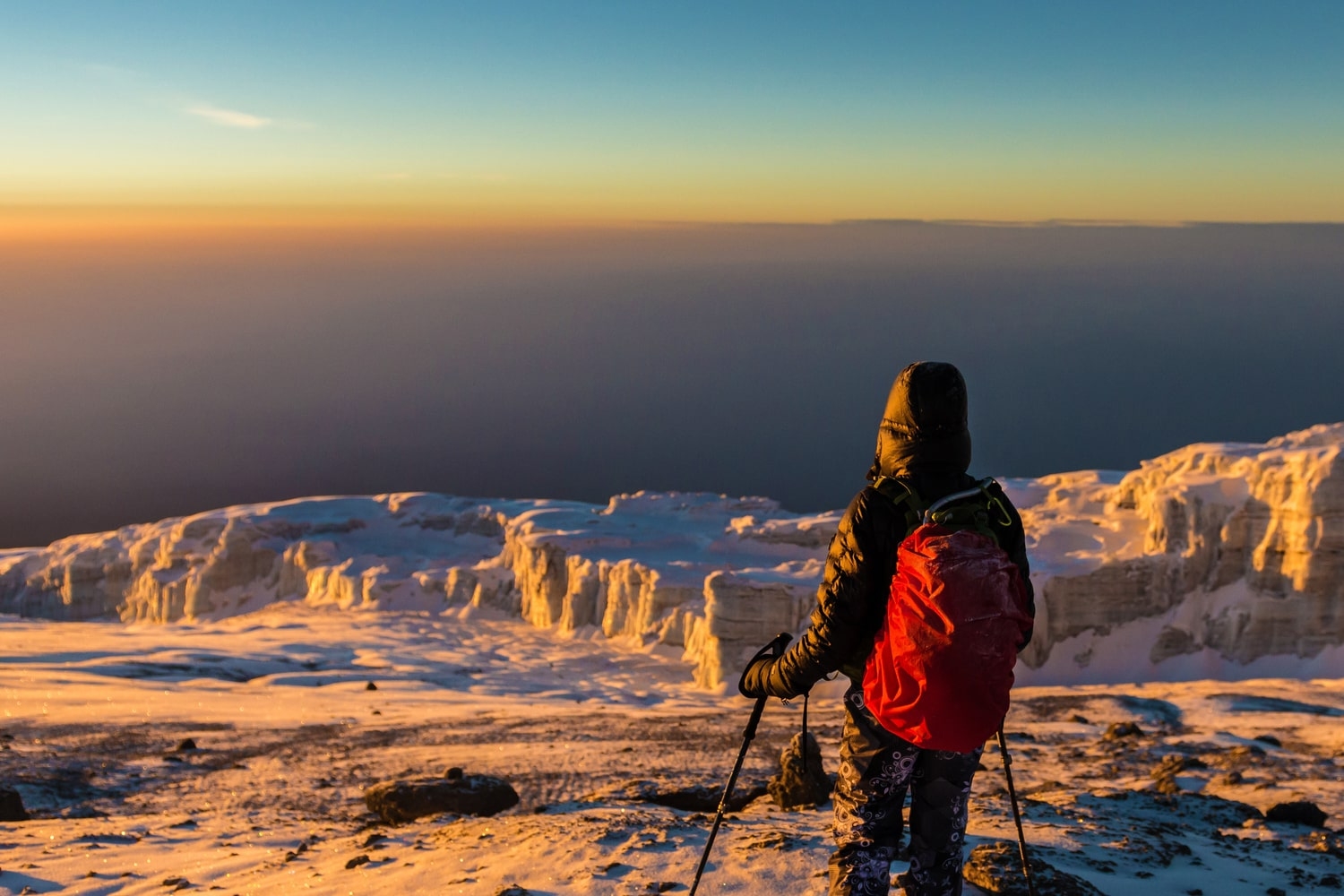
Marangu is the oldest established trail on Kilimanjaro and the only one where climbers sleep in huts rather than tents. Its reputation as the easy option earned it the nickname Coca-Cola route, partly because soft drinks were historically sold at the huts and partly because it felt tamer than the "Whiskey" Machame trail.
The nickname is misleading. Summit night on Marangu is every bit as tough as on other routes, and the short itineraries give less time to acclimatize. Here is how our team in Arusha helps climbers make the most of it.
Quick tips
- Book the six-day itinerary to include the Horombo acclimatization day.
- Pack earplugs, as shared huts can be noisy at night.
- Walk to Maundi Crater on day one for a gentle acclimatization hike.
- Do not mistake hut comfort for an easy climb; pace yourself carefully.
- Bring a warm sleeping bag, because huts are unheated at altitude.
What the huts are really like
There are three main overnight stops: Mandara Hut in the forest at around 2,700 meters, Horombo Hut on the moorland at around 3,700 meters, and Kibo Hut at roughly 4,700 meters below the summit cone. The first two are clusters of wooden A-frame huts, while Kibo is a stone block building.
Accommodation is simple dormitory bunks with mattresses, and you share sleeping space with other climbers. You still need a warm sleeping bag. Huts offer shelter from rain and wind, which is a genuine advantage in wet months.
Each hut site has a dining hall where meals are served at long tables, and the atmosphere can be sociable, with climbers from many countries comparing notes over tea. Toilets are shared, and water for washing is limited, so wet wipes and hand sanitizer are worth packing.
- Bring earplugs and an eye mask for shared dorms.
- Spaces are allocated through the park, so booking ahead matters in busy months.
- Facilities are basic; do not expect hot showers.
Why six days beats five
Marangu can be done in five days, but that itinerary climbs fast and has noticeably lower summit success. The six-day version adds an acclimatization day at Horombo Hut, where you hike up toward the Zebra Rocks or Mawenzi and come back down to sleep.
We strongly recommend the six-day option. It costs one more day but greatly improves your chances of reaching the top feeling well enough to enjoy it.
Highlights along the way
On the first afternoon, take the short walk from Mandara Hut to Maundi Crater for views across the Kenyan plains when the weather is clear. Above Horombo, the Saddle between Mawenzi and Kibo is a stark, lunar landscape that feels unlike anywhere else on the mountain.
Because you ascend and descend the same trail, you will pass descending climbers. Many are happy to share tips about conditions higher up.
Summit night via Gilman's Point
From Kibo Hut you leave around midnight and climb steep switchbacks of loose scree to Gilman's Point on the crater rim. From there it is a further walk around the rim to Uhuru Peak. The scree slope is the crux of the route: take small steps, breathe rhythmically and rest briefly rather than stopping for long.
After the summit you descend to Kibo, rest, then carry on to Horombo the same day, a long but rewarding effort.
Before leaving Kibo Hut, eat whatever you can manage and drink something warm. Dress in all your summit layers inside the hut, where it is slightly less cold, and keep spare gloves in an inside pocket in case your first pair gets damp.
Frequently asked questions
Why is Marangu called the Coca-Cola route?
Soft drinks were historically sold at the huts, and the route was seen as easier than the camping routes. It is a friendly nickname rather than an accurate description of the difficulty.
Is Marangu the easiest Kilimanjaro route?
Its gradient is fairly steady and the huts add comfort, but the short itineraries make acclimatization harder. Many climbers find a longer camping route more successful overall.
Can I climb Marangu in the rainy season?
Yes, and the hut accommodation is a real advantage when it rains. Trails can be muddy in the forest, so pack waterproofs, gaiters and dry bags for your gear.
