A low-season safari in Tanzania means travelling when fewer visitors come, usually during the rainy months. The experience is different from the dry season: greener, quieter and sometimes less predictable. Whether it suits you depends on your tolerance for rain and your priorities. This page covers the realities, positive and negative, so you can decide with open eyes. The aim is to give you a balanced picture rather than a sales pitch.
What counts as low season
Low season generally refers to the rainier periods, notably the long rains around March to May and, to a lesser extent, the short rains around November. Exact timing varies from year to year.
Terminology also varies between operators, so ask what dates we consider low season for your chosen trip.
The upsides
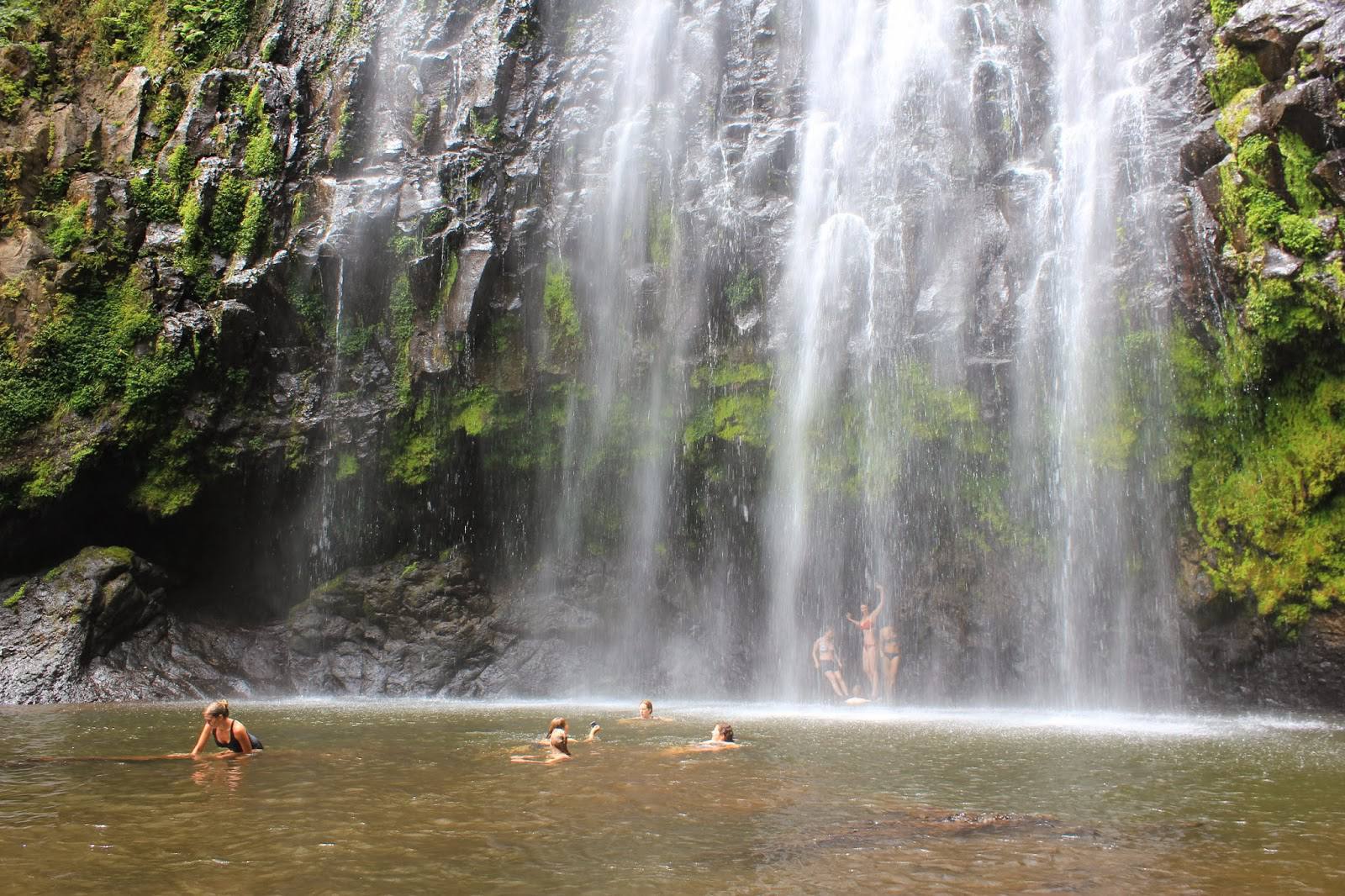
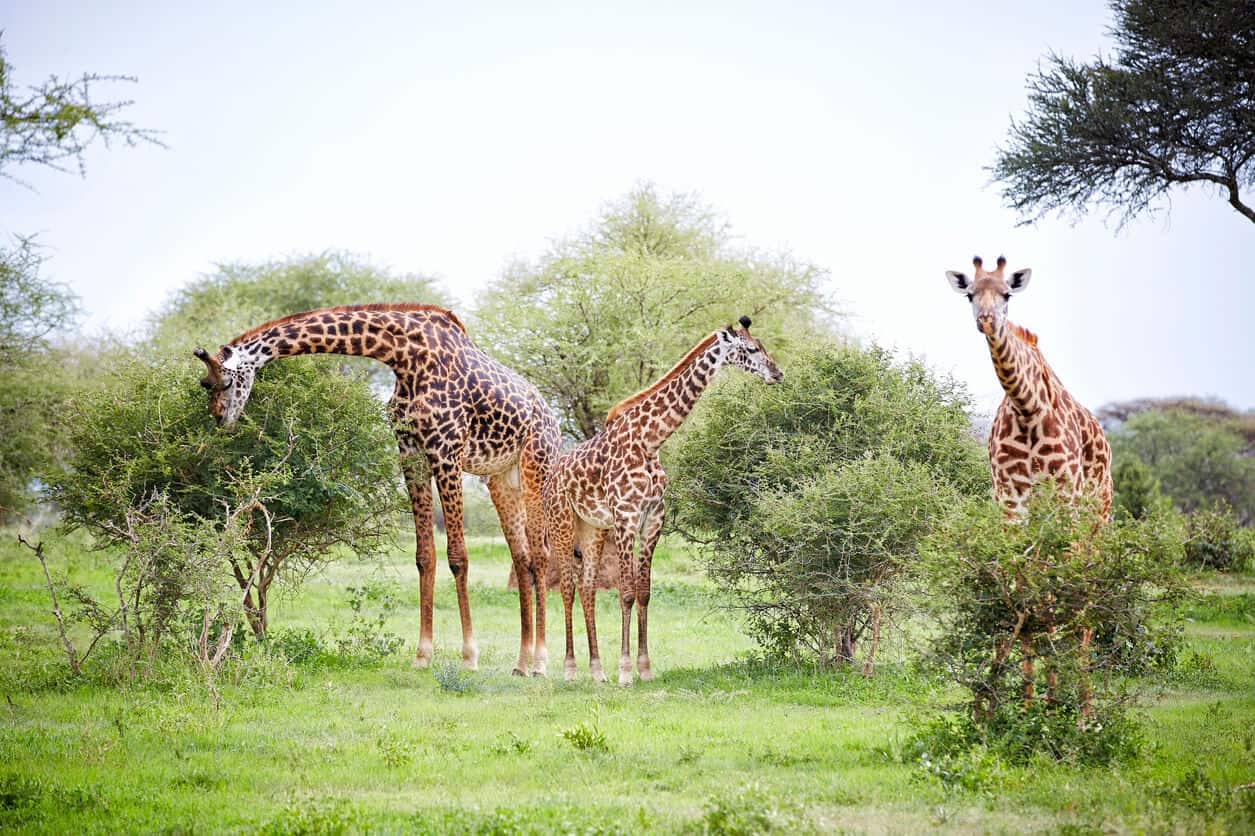
Parks tend to be quieter, so sightings may involve fewer vehicles. The landscape is lush, the air is clean, and bird life is often at its best. Photographers like the dramatic skies.
Because fewer people travel, you may find more choice of dates. Rates and availability vary, and we make no promises about pricing; ask us for a current quote.
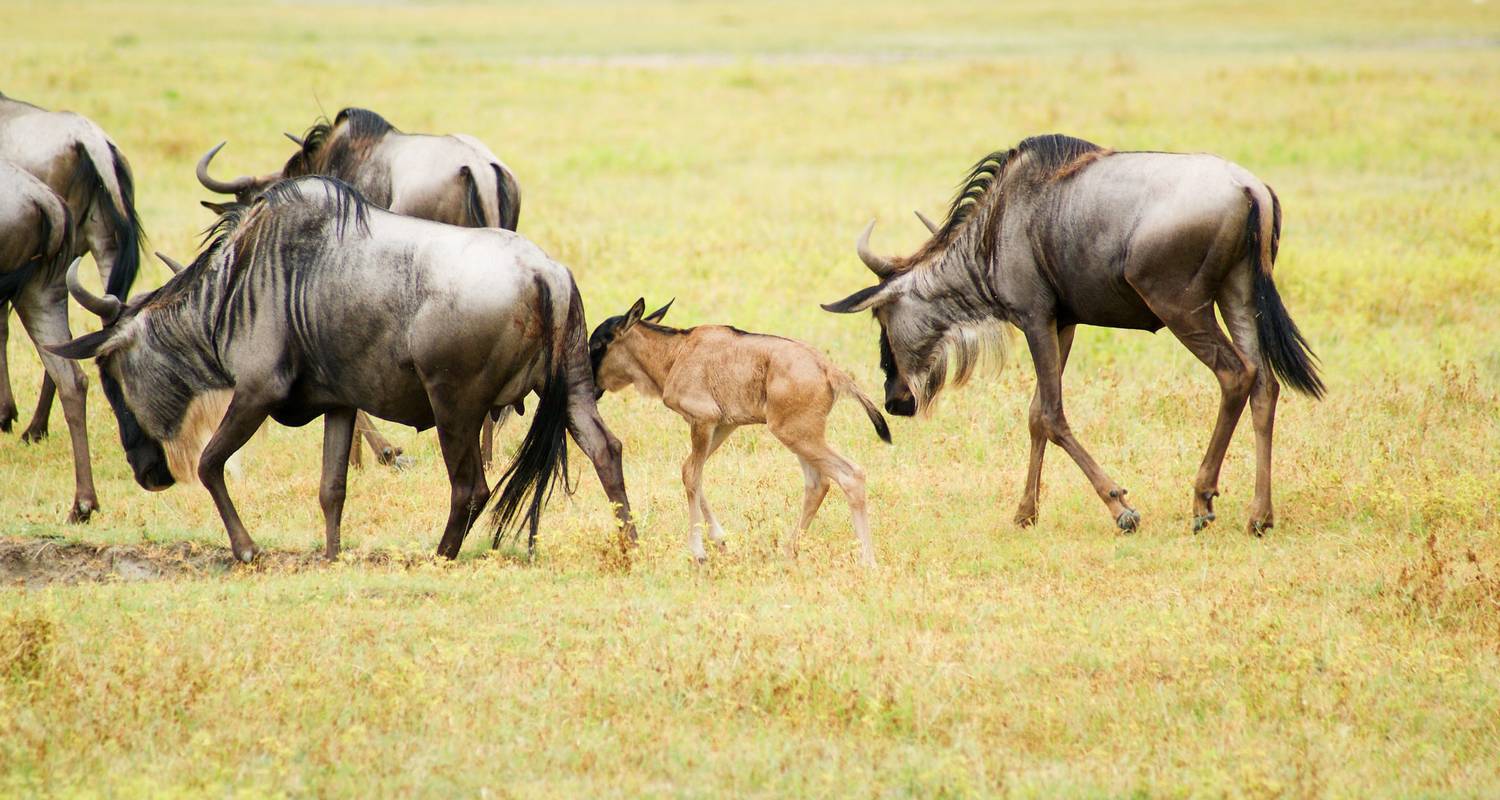
Remember that low season does not mean no wildlife. Resident animals are present all year, and many travellers find that fewer vehicles allow longer, calmer sightings.
- Fewer vehicles at sightings
- Green, fresh scenery
- Active bird life
- Easier date choice in some cases
The trade-offs
Rain can interrupt game drives, tracks may be muddy, and some remote areas become harder to reach. Taller grass can make animals harder to spot. Some camps close or reduce services for part of the season.
Plan a flexible itinerary with a buffer day, and choose parks with good all-weather access.
Questions to ask before you book
Ask which camps and lodges are open on your dates, what happens if roads become impassable and how flexible the itinerary can be. Check what your travel insurance covers, and keep a note of any health requirements.
A reputable operator will answer these openly. We would rather tell you that a particular week is risky than sell you a trip you will not enjoy. Share your priorities and we will suggest the months that suit them best.
Who should consider it
Low season suits travellers who are adaptable, enjoy landscapes and birds, and do not need perfect weather. It is less suitable for anyone with a very tight schedule or who wants to see a specific migration event.
Check current official requirements for visas, health and park rules, and consider travel insurance.
Related pages on our site
Frequently asked questions
Is low season a bad time for a safari?
Not necessarily. Many travellers enjoy it, but you should be prepared for rain and some limits on access. Wildlife is still present, and the quieter parks can feel special if you are flexible.
Will I pay less in low season?
Rates and availability vary, so we cannot promise this. Send us your dates and we will prepare a current quote, and explain what is included so you can compare options sensibly.
Are all parks open in low season?
The national parks generally remain open, but some lodges and camps close or limit services. We check what is available for your dates and suggest alternatives, so you know the position before you commit.
Is low season suitable for first-time safari visitors?
It can be, if you are adaptable and prefer a quieter experience. If you want the widest chance of easy wildlife viewing and dry roads, the dry months may suit you better. We will give you honest advice.