September is a settled, dry month across the northern circuit, and many guides count it among their favourites. The heat builds gently, the grass is short and animals are easy to find. In the Serengeti, the northern sector is often where the action is. Here is what September typically offers and how to shape a trip around it. It also suits travellers who want a comfortable, predictable climate. Read on for the details, plus practical tips on booking and packing.
The northern Serengeti in focus
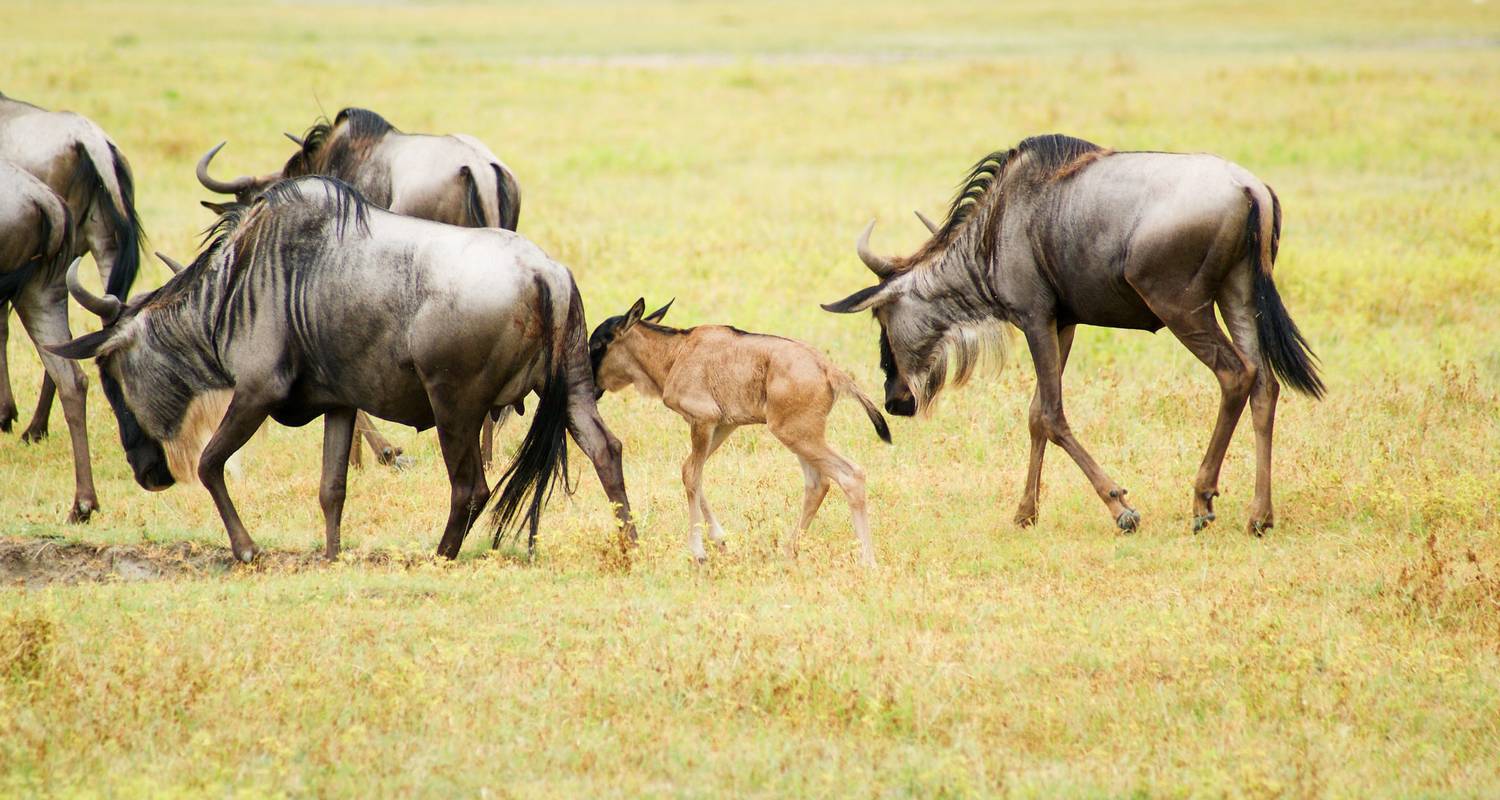
In many years the migration herds spend part of September in the northern Serengeti and across the Mara River region, where river crossings can occur. The herds move with the grazing, so timing is never fixed, and crossings are a bonus rather than something we can promise.
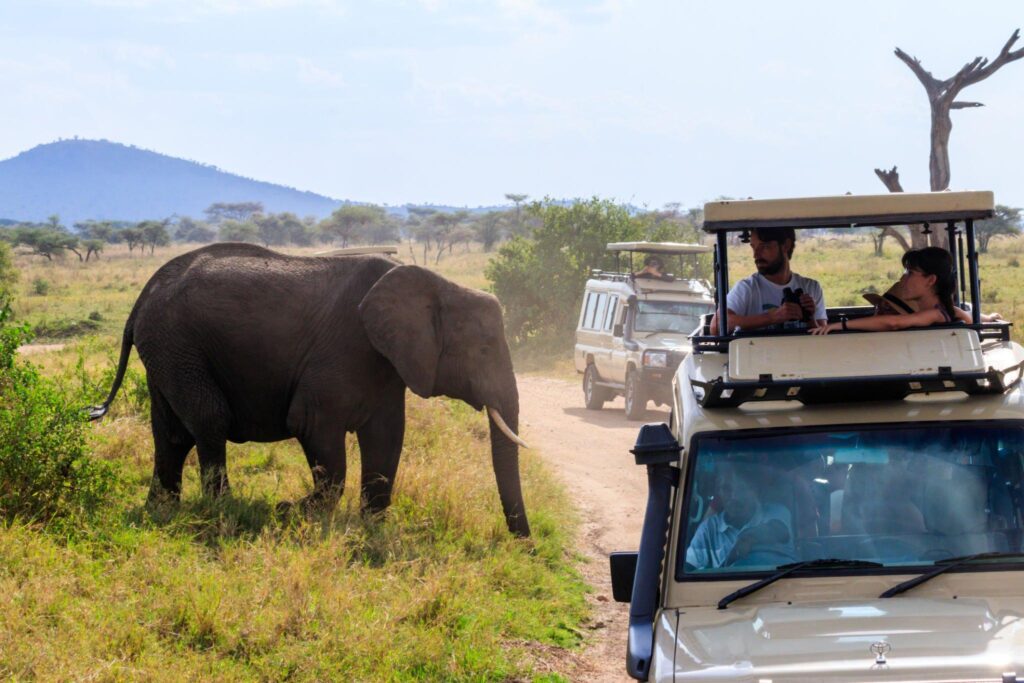
Staying several nights in the north, away from the central hub, gives you the best chance to share the landscape with fewer vehicles.
Other parks that shine
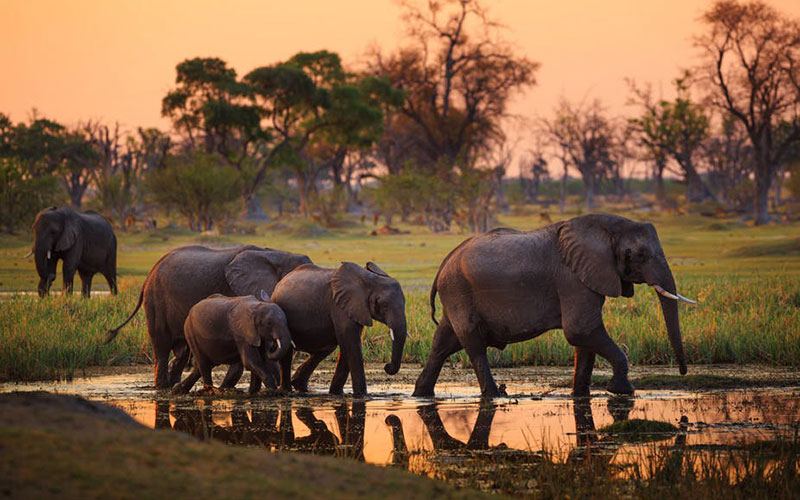
Tarangire in the dry months is rewarding for elephants, with baobab trees and big herds near the river. The Ngorongoro Crater offers a wide variety of wildlife regardless of season, and Lake Manyara adds trees, hippos and birds.
If you prefer a quieter pace, a shorter circuit with two or three parks can be as satisfying as a long Serengeti trip.
Road distances in the north are long, so think about how much time you want in the vehicle. A fly-in leg or a more compact route can make the trip feel more relaxed.
- Northern Serengeti for migration and big cats
- Tarangire for elephants
- Ngorongoro Crater for variety
- Lake Manyara for a gentle introduction
Weather and comfort
Expect mostly clear skies, warm days and cooler nights, particularly at higher altitude. Dust can be present on tracks, so keep camera gear protected. Rain is unusual but not impossible.
Fly-in options reduce long drives between distant areas; we can discuss them when planning.
Seeing the north without the crowds
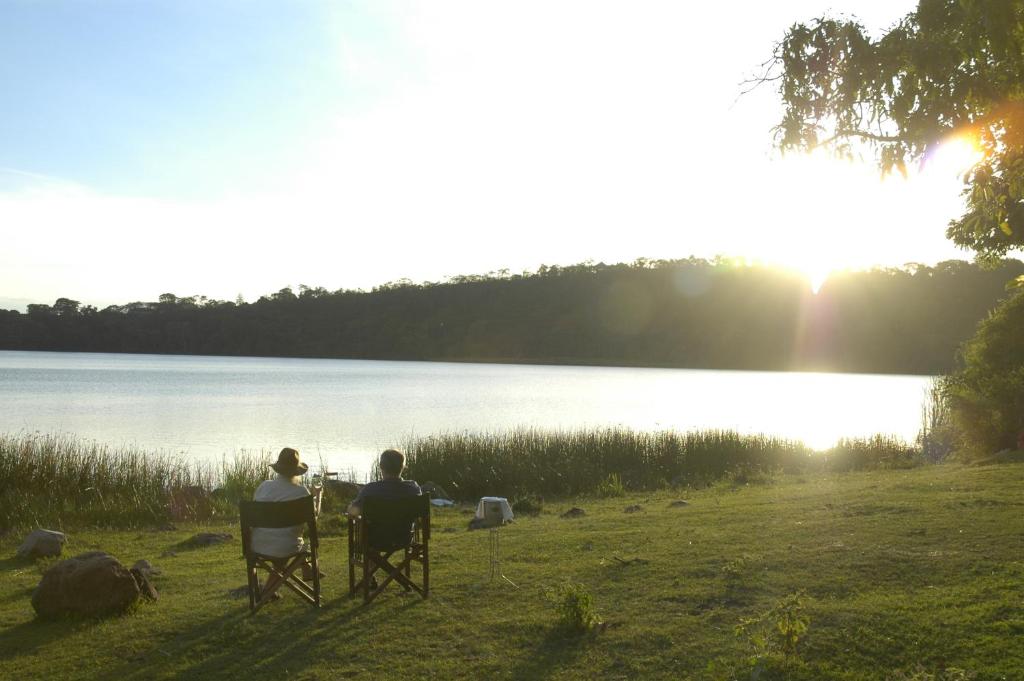
Even in a popular month, the north can feel remote. Allow enough time to get there and explore, and ask your guide about quieter viewpoints away from the busiest river sites. A morning picnic breakfast in the bush is a pleasant way to spread out.
Remember that crossings are brief and unpredictable. Many guests find the long days of general wildlife watching just as memorable: lions on kopjes, giraffes against the sky and the sound of herds on the move.
Booking and preparation
September is a popular month, so earlier enquiries give you a wider choice of accommodation and guides. We tailor each trip to your dates and budget; ask us for a current quote.
Bring neutral clothing, a sun hat, binoculars and a warm layer. Check current official requirements for visas, health and park rules.
Related pages on our site
Frequently asked questions
Will I see the Mara River crossings in September?
It is possible, as the herds are often in the north around this time, but crossings depend on the herds and cannot be scheduled. Your guide will follow current conditions and put you in the right area where possible.
Is September hot?
Days are usually warm and nights cooler, though not extreme at most safari altitudes. Layers cover the difference, and a hat and sunscreen are important for midday. The northern Serengeti can feel warmer than the highlands.
Is a fly-in safari worth it for September?
It can be if you want more time in the far north and less time on the road. We can compare road and flight options when preparing a quote, so you can weigh time saved against the extra cost.
How many nights should I spend in the north?
Three to four nights gives a fair opportunity to explore different areas and wait for activity, but your budget and timing may shape this. We will discuss realistic options when we prepare your quote.