October is a month of transition. It tends to open dry and warm, with excellent game viewing and fewer crowds than the peak of the dry season, then it may close with the first showers of the short rains. This page describes how that shapes your safari, which parks suit the month and how to stay flexible. This guide explains the likely conditions and how to plan around them. Read on for the details and some practical packing advice.
A month with two moods
Early October usually feels like the end of the dry season: golden grass, dust on the tracks and animals concentrated near water. As the month goes on, clouds may build and brief showers can arrive, though their timing changes every year.
If you are planning for late October, bring a light rain jacket and expect some variety.
Where the herds may be
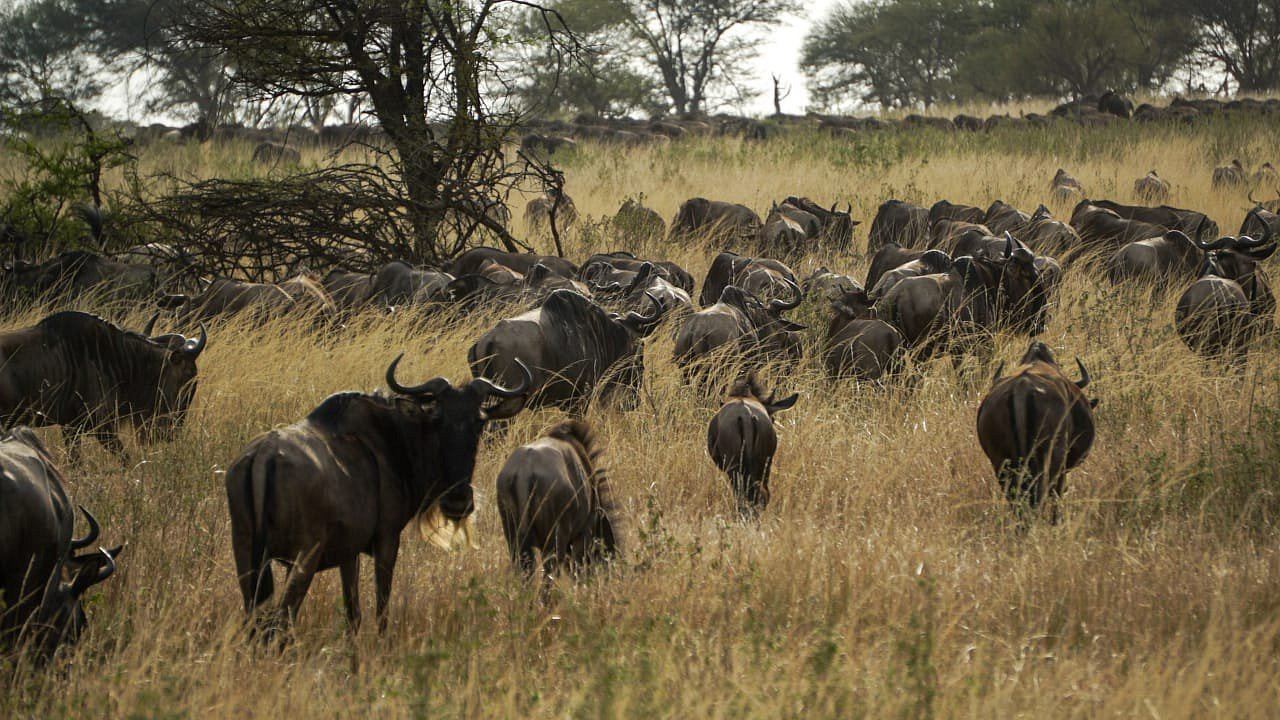
In many years the migration herds begin turning south from the northern Serengeti towards the central and southern plains near the end of the dry season. The exact route follows the rain, so we avoid fixed promises and let your guide read the conditions.
Resident wildlife stays reliable in places like the Ngorongoro Crater and Tarangire.
A flexible plan helps: if a storm builds, your guide may suggest an early return or a change of route, and you can often see the same wildlife at a slower pace.
Why October can suit you
Many guests like October because the first quiet weeks after the peak season can mean easier bookings. It is a good choice for people who want dry-season wildlife without the busiest weeks.
Photographers often enjoy the storm light that appears when the first rains approach.
- Dry-season game viewing early in the month
- Fewer crowds than the peak weeks
- Interesting light for photography
- Warm days, mild nights
Photography and light in October
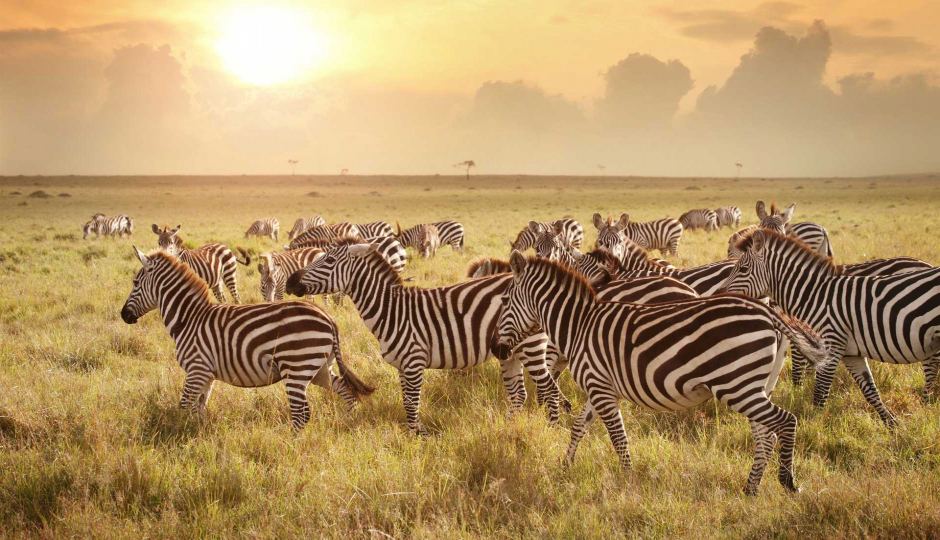
October light can be spectacular. Dry-season dust softens the evening sun, and building clouds create contrasts across the plains. Storm fronts in the distance make strong backdrops for animals.
Keep camera gear protected from dust early in the month and from rain later on. A simple dry bag or rain cover is enough. Let your guide know if you want to stay out for sunset so the schedule can be planned around lodge or camp curfews.
Planning tips
We tailor every itinerary to your dates and budget; ask us for a current quote. Availability varies, so enquire early if you have a fixed holiday window.
Pack sun protection, layers and a waterproof layer. Check current official requirements for visas, health and park rules before you go.
Related pages on our site
Frequently asked questions
Is October still dry season?
Usually the first half is, and the short rains may begin later in the month. The pattern changes each year, so it is sensible to pack for both sun and a few showers, and to keep your daily plans flexible.
Are the migration herds easy to find in October?
Their position changes with the rains. They are often in the north early on and heading south later, but your guide will confirm the current picture closer to your travel date, and we will tell you honestly what to expect.
Is October busy?
It is often less crowded than the middle of the dry season, though still a popular travel month. Booking early gives you a better choice of accommodation, especially if your dates are fixed by school or work.
What should I pack for October?
Layers, a hat, sunscreen, dust protection for your camera and a light waterproof jacket. Early mornings can be cool in open vehicles, while midday can be hot, so being able to add or remove clothing is the main thing.